Navigation
Academics at The Pi School | CBSE & NEP 2020 Curriculum
A Structured Academic Approach at The PI School
The Pi School follows a curriculum prescribed by the Central Board of Secondary Education (CBSE) and aligned with the principles of the National Education Policy (NEP) 2020. The academic programme is designed to support age-appropriate learning and ensure gradual academic development across all classes.
Teaching is carried out strictly according to the prescribed syllabus for each academic session. Lessons are planned class-wise to promote clear understanding of subjects, logical thinking, and steady academic progress. In accordance with NEP guidelines, learning is supported through classroom interaction, written work, projects, and regular assessments.
Emphasis is placed on conceptual understanding, application of knowledge, and skill development. The curriculum also includes activities recommended by CBSE and NEP to encourage holistic learning while maintaining strong academic focus.
Teaching Methods / Approach at The Pi School:
Key teaching methods include:

Structured Lesson Planning
Each lesson is carefully planned according to the CBSE syllabus and NEP 2020 guidelines. Teaching follows a step-by-step approach, ensuring continuity, logical progression, and steady academic development across all classes.
Concept-Based Learning
Teaching focuses on building clear understanding of concepts rather than memorization. Lessons are structured to help students grasp fundamentals, apply knowledge, and connect ideas across subjects for long-term academic clarity.

Classroom Interaction & Discussion
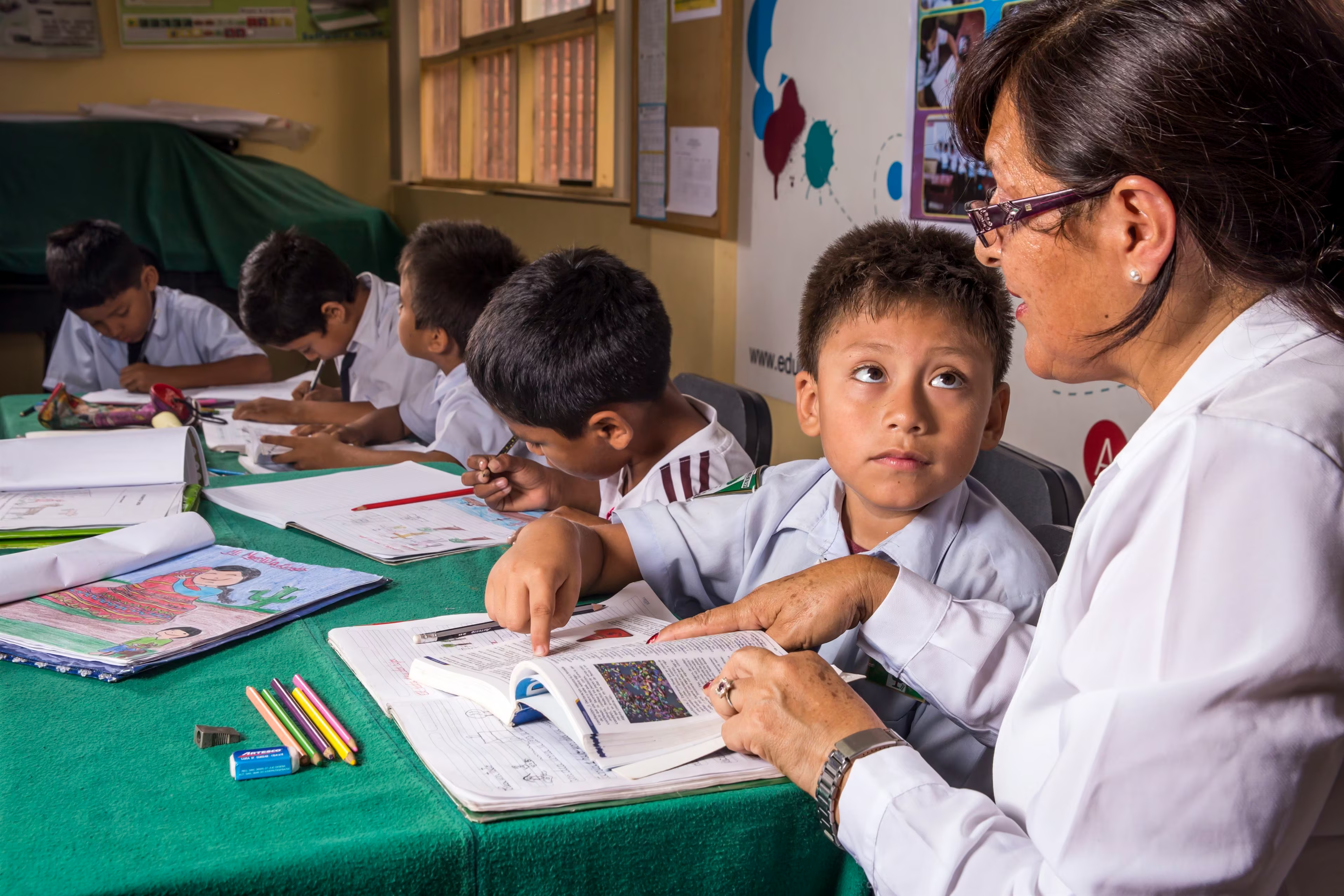
Teachers encourage active classroom interaction through questions, discussions, and guided responses. This method improves attention, comprehension, communication skills, and student confidence during daily lessons.
Written Practice & Reinforcement
Regular written work, class exercises, and homework are used to reinforce learning. This helps students develop accuracy, discipline, and consistency while strengthening subject understanding.


Activity & Application-Based Learning
Learning is supported through projects, practical tasks, and subject-related activities. These methods help students apply theoretical knowledge to real situations, improving analytical and problem-solving skills.
Use of Teaching Aids & Digital Support
Teaching aids, subject resources, and digital tools are used where appropriate to make lessons more engaging and easier to understand, supporting different learning styles.
Continuous Guidance & Feedback
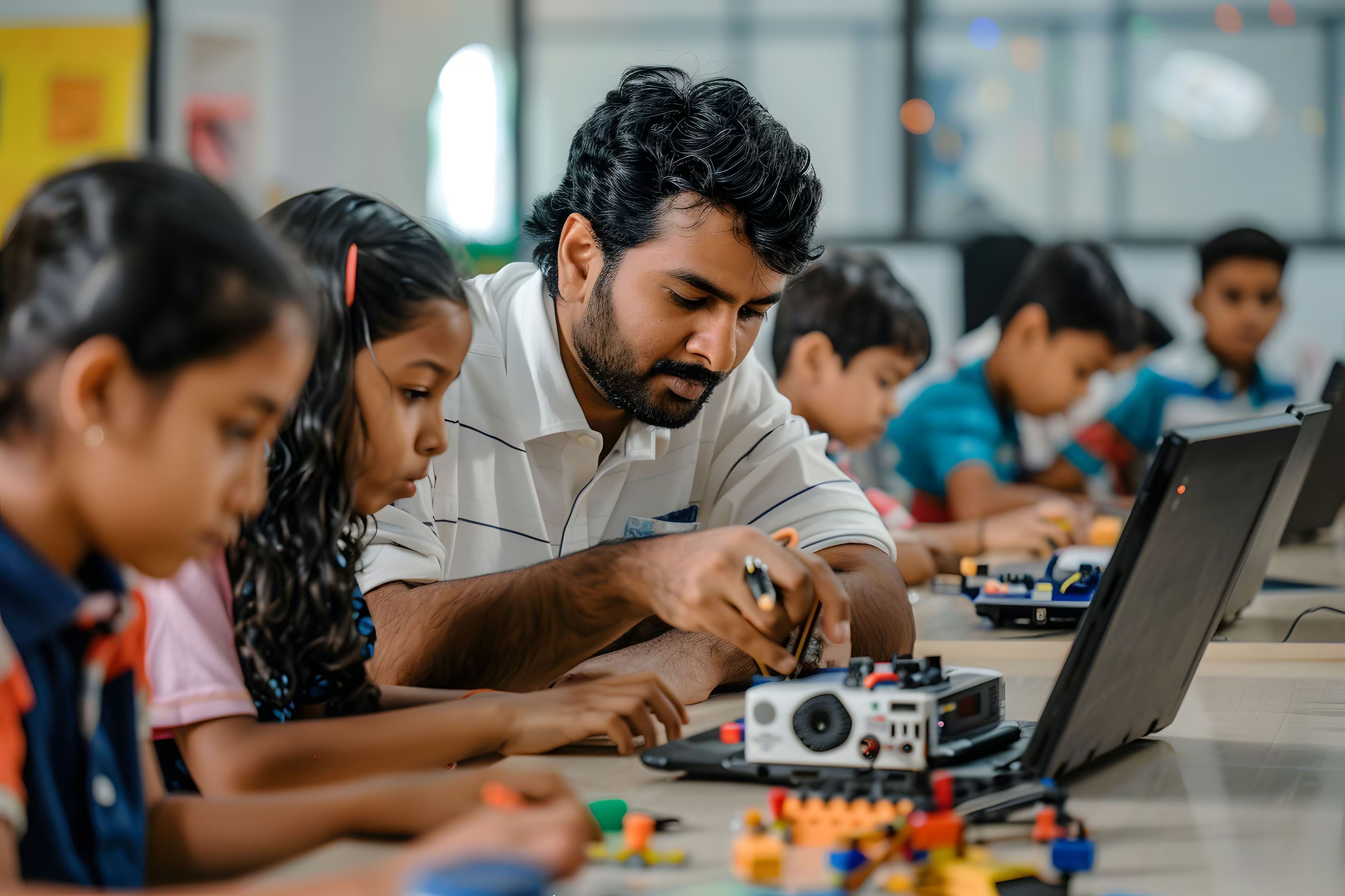
Teachers provide regular guidance, correction, and feedback based on student performance. This helps identify learning gaps early and supports continuous academic improvement.

Assessment & Evaluation Details :Key
Academic evaluation at The Pi School is conducted through periodic examinations and regular class-based assessments to ensure continuous monitoring of student progress.
The school conducts four main examinations during the academic session:
- First Unit Test
- First Semester Examination
- Second Unit Test
- Second Semester Examination
In addition to these, weekly class tests are conducted to assess day-to-day learning and subject understanding. Monthly class tests help review syllabus coverage and track academic performance.
This structured evaluation system allows teachers to identify learning gaps early and provide timely academic support. All assessments are conducted in accordance with CBSE guidelines and aligned with the National Education Policy (NEP) 2020.
Academic Calendar Highlights
- Academic Session Period: The academic session begins in April and continues till March.
- Term Structure: The academic year is organized into two major terms, supported by regular evaluations and class tests.
- Vacation & Holiday Schedule: The school observes holidays as per the academic calendar, including summer break, winter holidays, and important national festivals.
- Examination Schedule : Students appear for unit tests, term examinations, and the annual assessment to measure academic progress.
- Parent Interaction Meetings: Scheduled parent-teacher meetings help maintain regular communication regarding student learning and development.
- Academic & Enrichment Activities: The calendar includes sports, cultural events, educational visits, and celebrations to support overall student growth.